THE CITY
Rome is the capital city of Italy. It is also the capital of the Lazio region, the centre of the Metropolitan City of Rome, and a special comune named Comune di Roma Capitale. With 2,860,009 residents in 1,285 km2, Rome is the country's most populated comune and the third most populous city in the European Union by population within city limits. The Metropolitan City of Rome, with a population of 4,355,725 residents, is the most populous metropolitan city in Italy. Its metropolitan area is the third-most populous within Italy. Rome is located in the central-western portion of the Italian Peninsula, within Lazio (Latium), along the shores of the Tiber. Vatican City (the smallest country in the world) is an independent country inside the city boundaries of Rome, the only existing example of a country within a city. Rome is often referred to as the City of Seven Hills due to its geographic location, and also as the "Eternal City". Rome is generally considered to be the "cradle of Western civilization and Christian culture", and the centre of the Catholic Church. Rome's history spans 28 centuries. While Roman mythology dates the founding of Rome at around 753 BC, the site has been inhabited for much longer, making it a major human settlement for almost three millennia and one of the oldest continuously occupied cities in Europe. The city's early population originated from a mix of Latins, Etruscans, and Sabines. Eventually, the city successively became the capital of the Roman Kingdom, the Roman Republic and the Roman Empire, and is regarded by many as the first-ever Imperial city and metropolis. It was first called The Eternal City by the Roman poet Tibullus in the 1st century BC, and the expression was also taken up by Ovid, Virgil, and Livy. Rome is also called "Caput Mundi" (Capital of the World). After the fall of the Empire in the west, which marked the beginning of the Middle Ages, Rome slowly fell under the political control of the Papacy, and in the 8th century, it became the capital of the Papal States, which lasted until 1870. Beginning with the Renaissance, almost all popes since Nicholas V (1447–1455) pursued a coherent architectural and urban programme over four hundred years, aimed at making the city the artistic and cultural centre of the world. In this way, Rome first became one of the major centres of the Renaissance and then became the birthplace of both the Baroque style and Neoclassicism. Famous artists, painters, sculptors, and architects made Rome the centre of their activity, creating masterpieces throughout the city. In 1871, Rome became the capital of the Kingdom of Italy, which, in 1946, became the Italian Republic. In 2019, Rome was the 14th most visited city in the world, with 8.6 million tourists, the third most visited city in the European Union, and the most popular tourist destination in Italy. Its historic centre is listed by UNESCO as a World Heritage Site. The host city for the 1960 Summer Olympics, Rome is also the seat of several specialised agencies of the United Nations, such as the Food and Agriculture Organization (FAO), the World Food Programme (WFP) and the International Fund for Agricultural Development (IFAD). The city also hosts the Secretariat of the Parliamentary Assembly of the Union for the Mediterranean (UfM) as well as the headquarters of many international businesses, such as Eni, Enel, TIM, Leonardo, and banks such as BNL. Numerous companies are based within Rome's EUR business district, such as the luxury fashion house Fendi located in the Palazzo della Civiltà Italiana. The presence of renowned international brands in the city has made Rome an important centre of fashion and design, and the Cinecittà Studios have been the set of many Academy Award–winning movies.FOOD
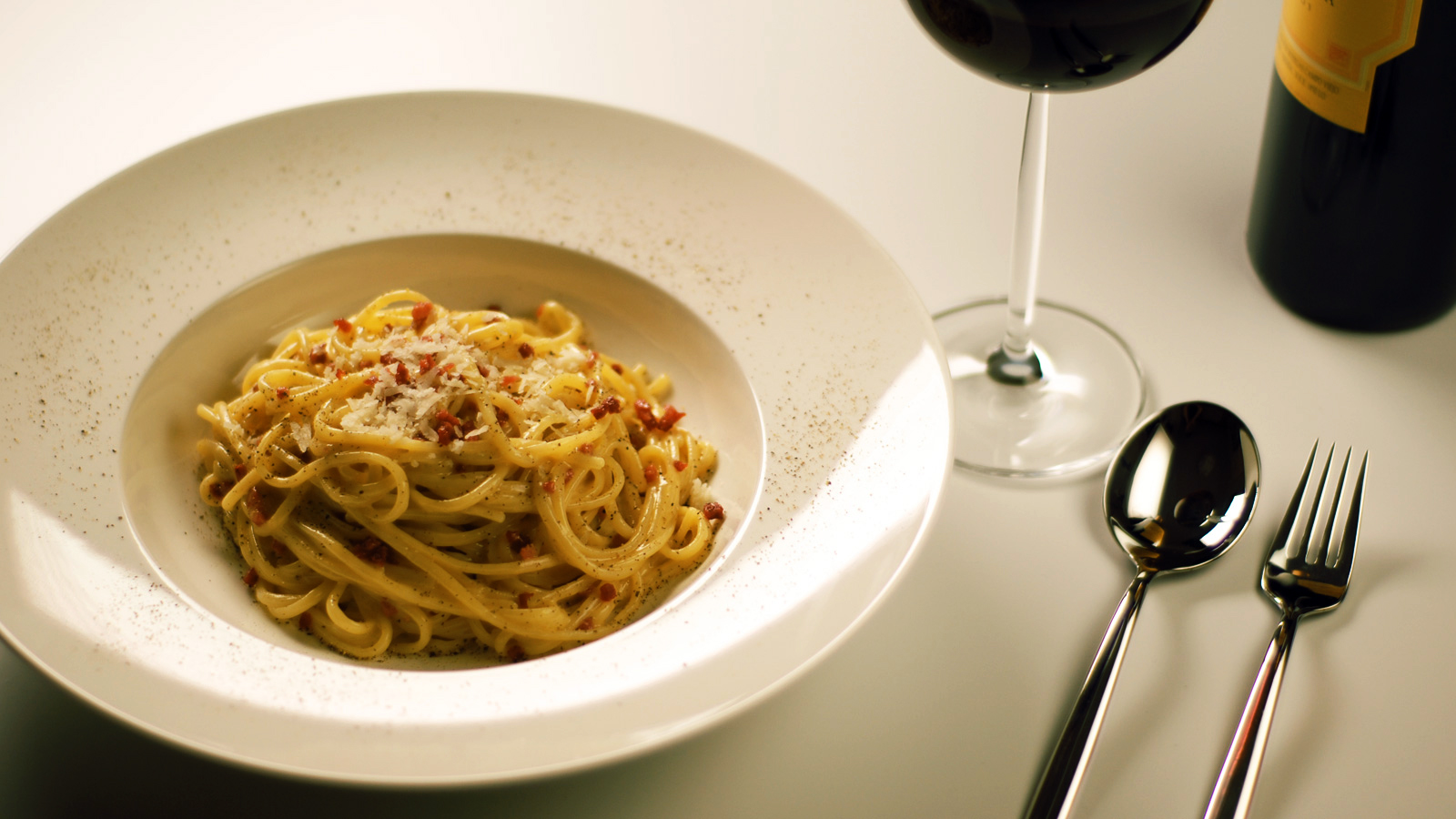
Rome's cuisine has evolved through centuries and periods of social, cultural, and political changes. Rome became a major gastronomical centre during the ancient age. Ancient Roman cuisine was highly influenced by Ancient Greek culture, and after, the empire's enormous expansion exposed Romans to many new, provincial culinary habits and cooking techniques. Later, during the Renaissance, Rome became well known as a centre of high-cuisine, since some of the best chefs of the time worked for the popes. An example of this was Bartolomeo Scappi, who was a chef working for Pius IV; he acquired fame in 1570 when his cookbook Opera dell'arte del cucinare was published. In the book he lists approximately 1000 recipes of the Renaissance cuisine and describes cooking techniques and tools, giving the first known picture of a fork. The Testaccio, Rome's trade and slaughterhouse area, was often known as the "belly" or "slaughterhouse" of Rome, and was inhabited by butchers, or vaccinari. The most common or ancient Roman cuisine included the "fifth quarter". The old-fashioned coda alla vaccinara (oxtail cooked in the way of butchers) is still one of the city's most popular meals and is part of most of Rome's restaurants' menus. Lamb is also a very popular part of Roman cuisine, and is often roasted with spices and herbs. In the modern age, the city developed its own peculiar cuisine, based on products of the nearby Campagna, as lamb and vegetables (globe artichokes are common). In parallel, Roman Jews – present in the city since the 1st century BC – developed their own cuisine, the cucina giudaico-romanesca. Examples of Roman dishes include saltimbocca alla romana – a veal cutlet, Roman-style, topped with raw ham and sage and simmered with white wine and butter; carciofi alla romana – artichokes Roman-style, outer leaves removed, stuffed with mint, garlic, breadcrumbs and braised; carciofi alla giudia – artichokes fried in olive oil, typical of Roman Jewish cooking, outer leaves removed, stuffed with mint, garlic, breadcrumbs and braised; spaghetti alla carbonara – spaghetti with bacon, eggs and pecorino, and gnocchi di semolino alla romana – semolina dumpling, Roman-style.